Skip to content

Page 24 of 58

Latest

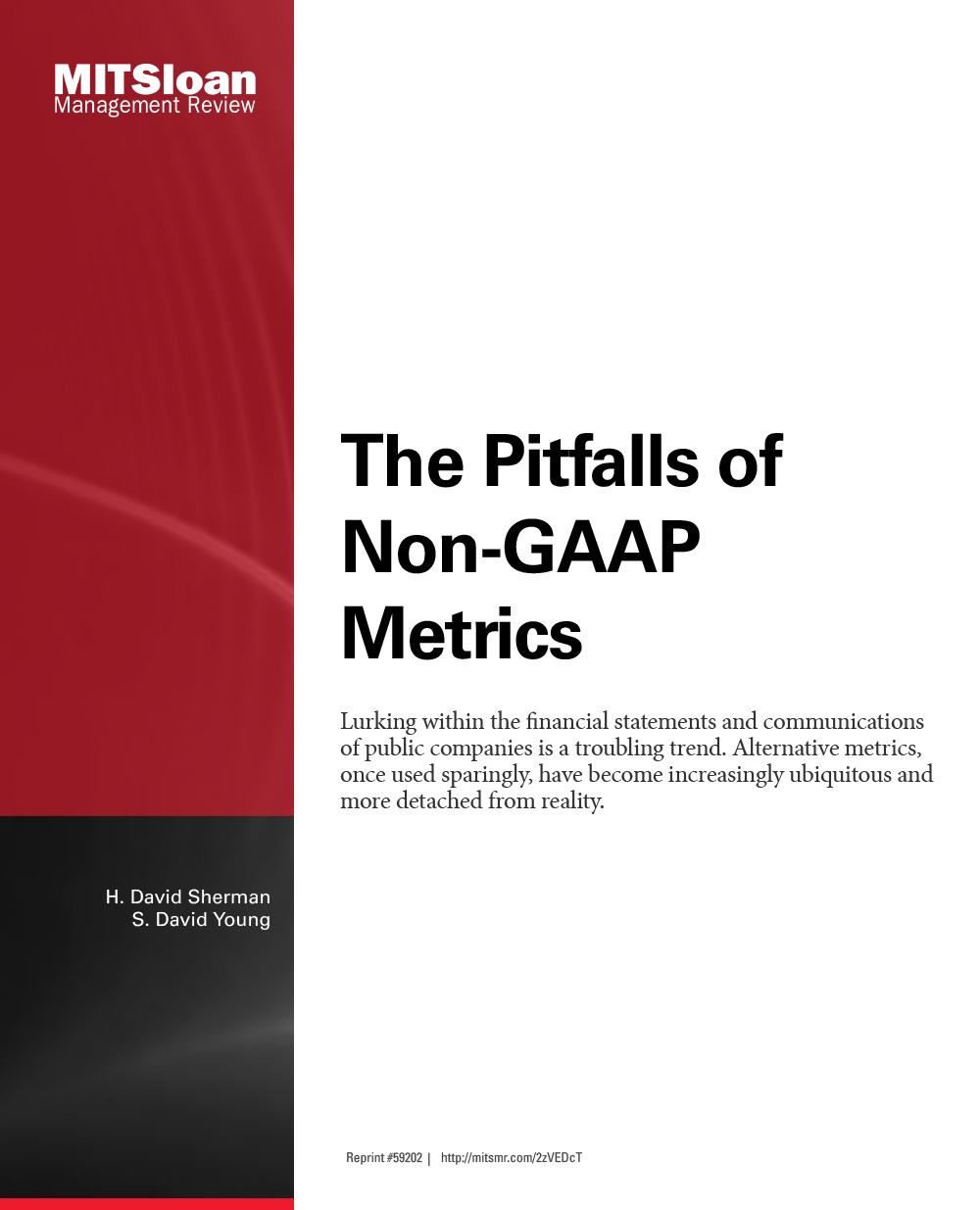
  • The Pitfalls of Non-GAAP Metrics

    Lurking within the financial statements and communications of public companies is a troubling trend. Alternative metrics, once used sparingly, have become increasingly ubiquitous and more detached from reality.

    Learn More »
  • Four Logics of Corporate Strategy

    Organizations often struggle with corporate strategy because executives lack clarity on how the parts of the corporation fit together. Without a shared understanding of the relationships between headquarters and business units, executives risk talking past one another when discussing strategy.

    Learn More »
  • How to Develop Strategy for Execution

    Effective strategic guidelines get three things right. They link to the corporate vision, identify critical vulnerabilities, and focus on what matters most.

    Learn More »
  • Going Mobile: The Personalized, On-Demand Future of Urban Transportation

    Throughout the 20th century, autos and the auto industry propelled human development, bringing unrivalled utility and flexibility to the way people move. Yet the industry now faces fundamental disruption as vehicle ownership yields to on-demand mobility.

    Learn More »
  • Turning Strategy Into Results

    Businesses develop strategies to address complex, multi-layered business environments and challenges — but to execute a strategy in a meaningful way, it must produce a set of specific actions focused on achieving clear goals. Rather than trying to boil the strategy down to a pithy statement, executives will get better results if they develop a small set of actions that everyone gets behind.

    Learn More »
  • Negotiating With Chinese Investors

    Chinese companies are increasingly investing in companies overseas. But to reach advantageous agreements with Chinese direct investors, Western managers need to prepare themselves for differences in negotiating style.

    Learn More »
  • What CEOs Get Wrong About Vision and How to Get It Right

    Many executives don’t understand how to craft a compelling vision for change that will gain widespread commitment within their organization. Leaders should start by asking themselves: What will people see, hear, and feel once the changes have been achieved?

    Learn More »
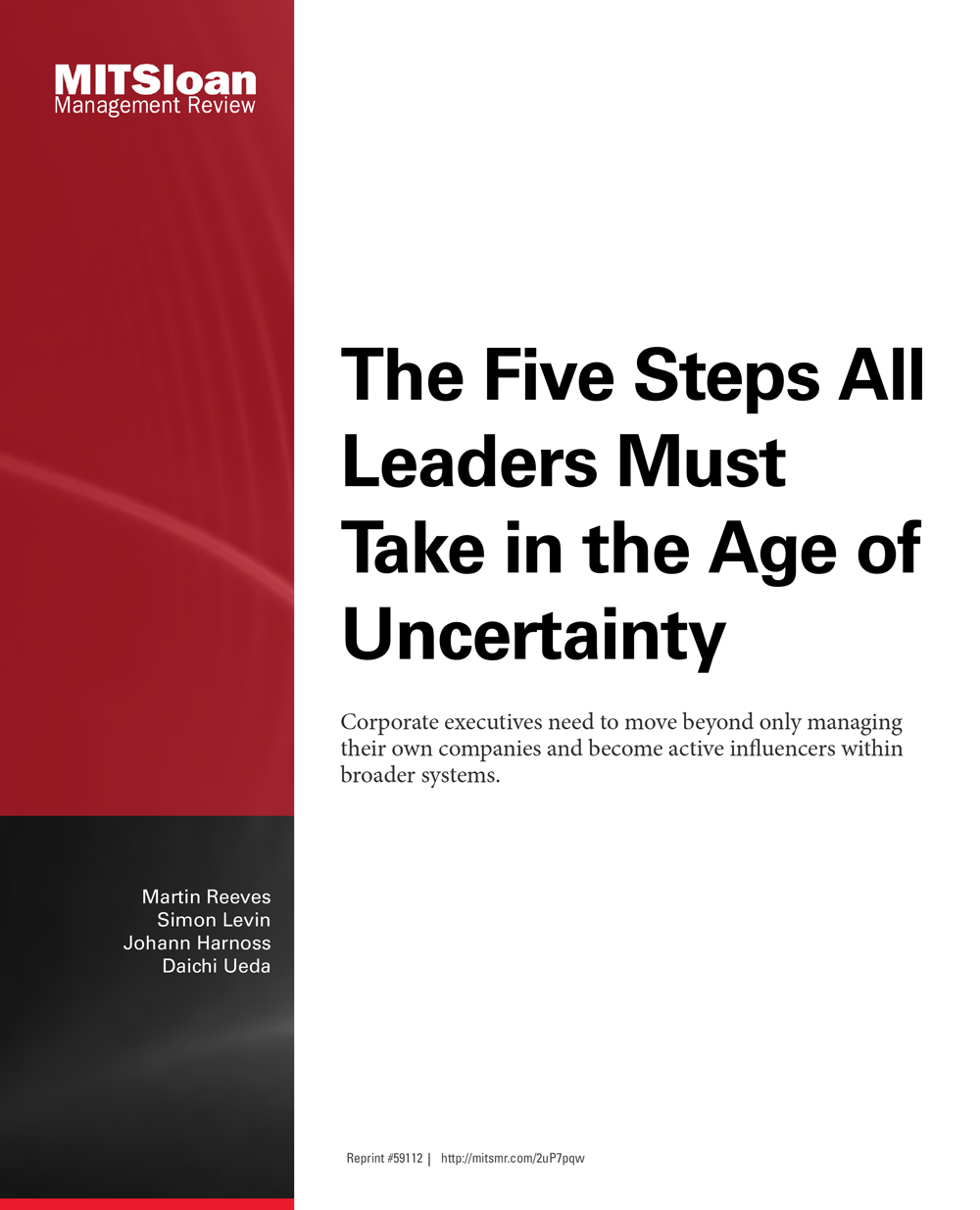
  • The Five Steps All Leaders Must Take In The Age of Uncertainty

    Leaders need a new mental model to better understand the complex interplay between companies, economies and societies. To do so, they must shift their focus from their own companies to the broader business and social ecosystems in which they are embedded.

    Learn More »
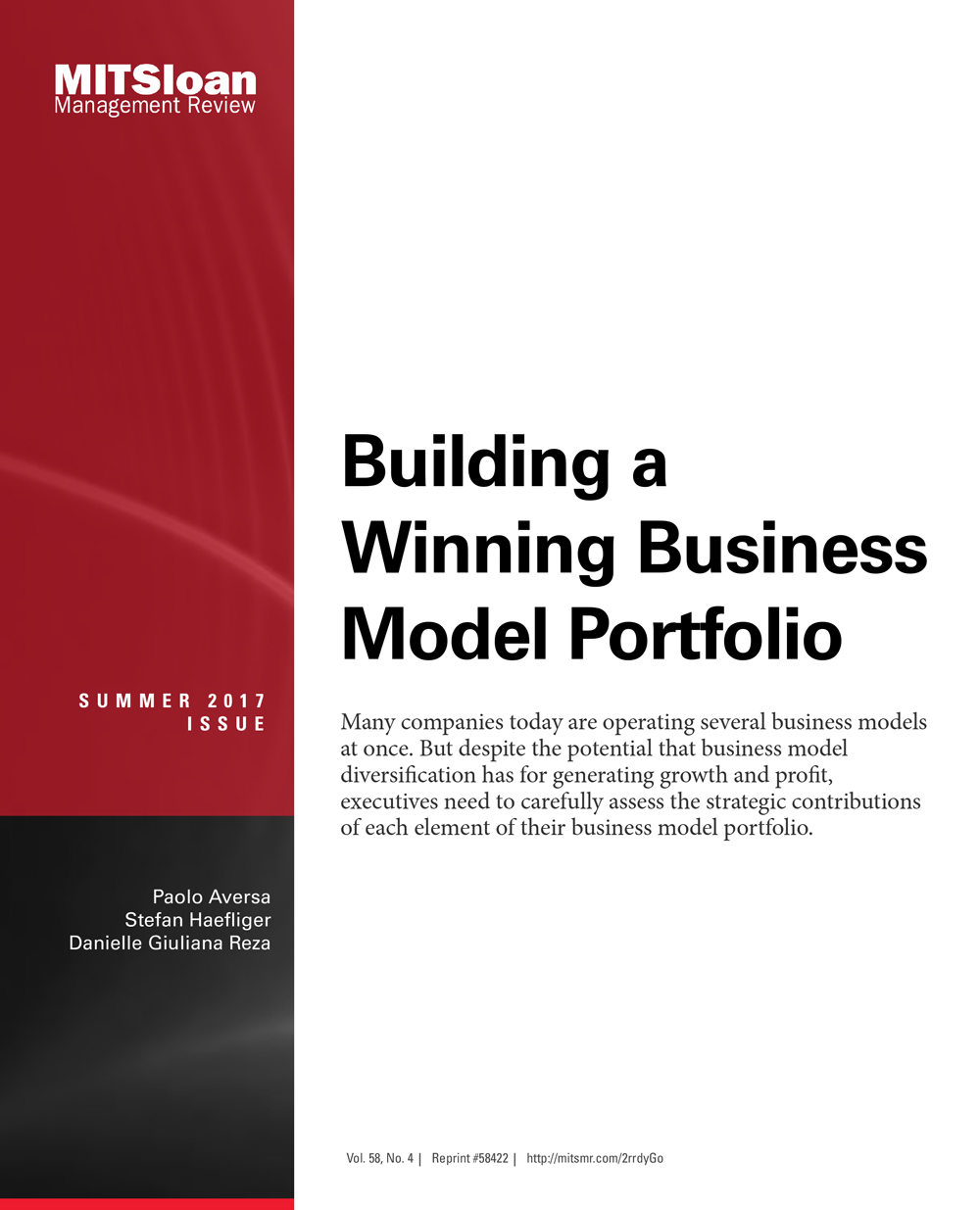
  • Building a Winning Business Model Portfolio

    Many companies today are operating several business models at once. But despite the potential that business model diversification has for generating growth and profit, executives need to carefully assess the strategic contributions of each element of their business model portfolio.

    Learn More »
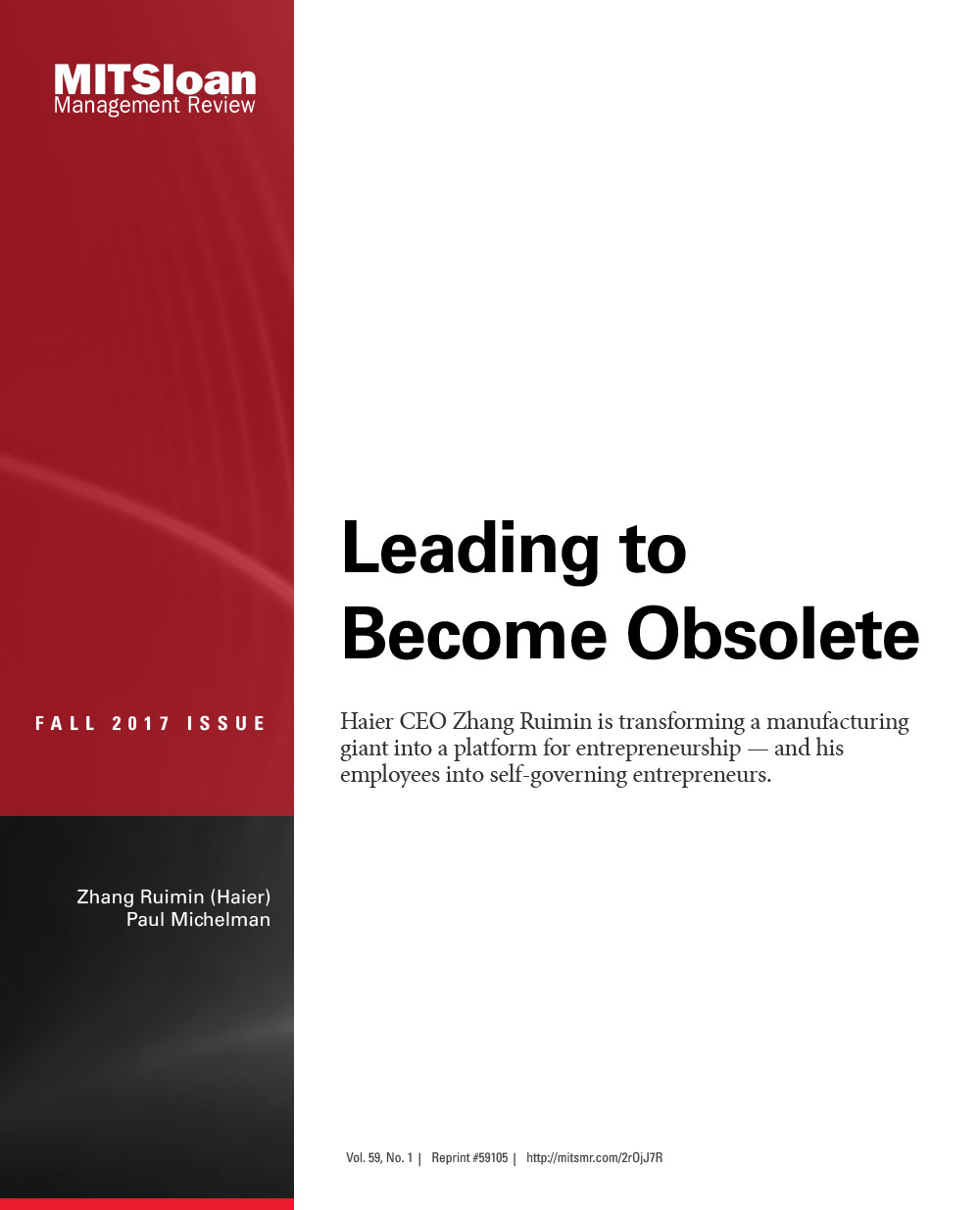
  • Leading to Become Obsolete

    Zhang Ruimin, the CEO and chairman of the Qingdao, China, white goods giant Haier Group Corp., has done what most chief executives dare not even dream about. He blew up nearly the entire administrative structure of a global manufacturing enterprise, eliminating the 10,000 management jobs that once held it together. And he has guided the organization to re-form as a network of entrepreneurial ventures run by employees.

    Learn More »